
Feast of St Francis Xavier
His example encourages us not to seek suffering for its own sake but to embrace the ordinary opportunities to give ourselves in service, to speak the truth in love, and to remain humble and prayerful amid the demands of apostolic work. In doing so we allow his witness to form us into a people ready to bring the Gospel to others with courage, respect and enduring love
SAINTS
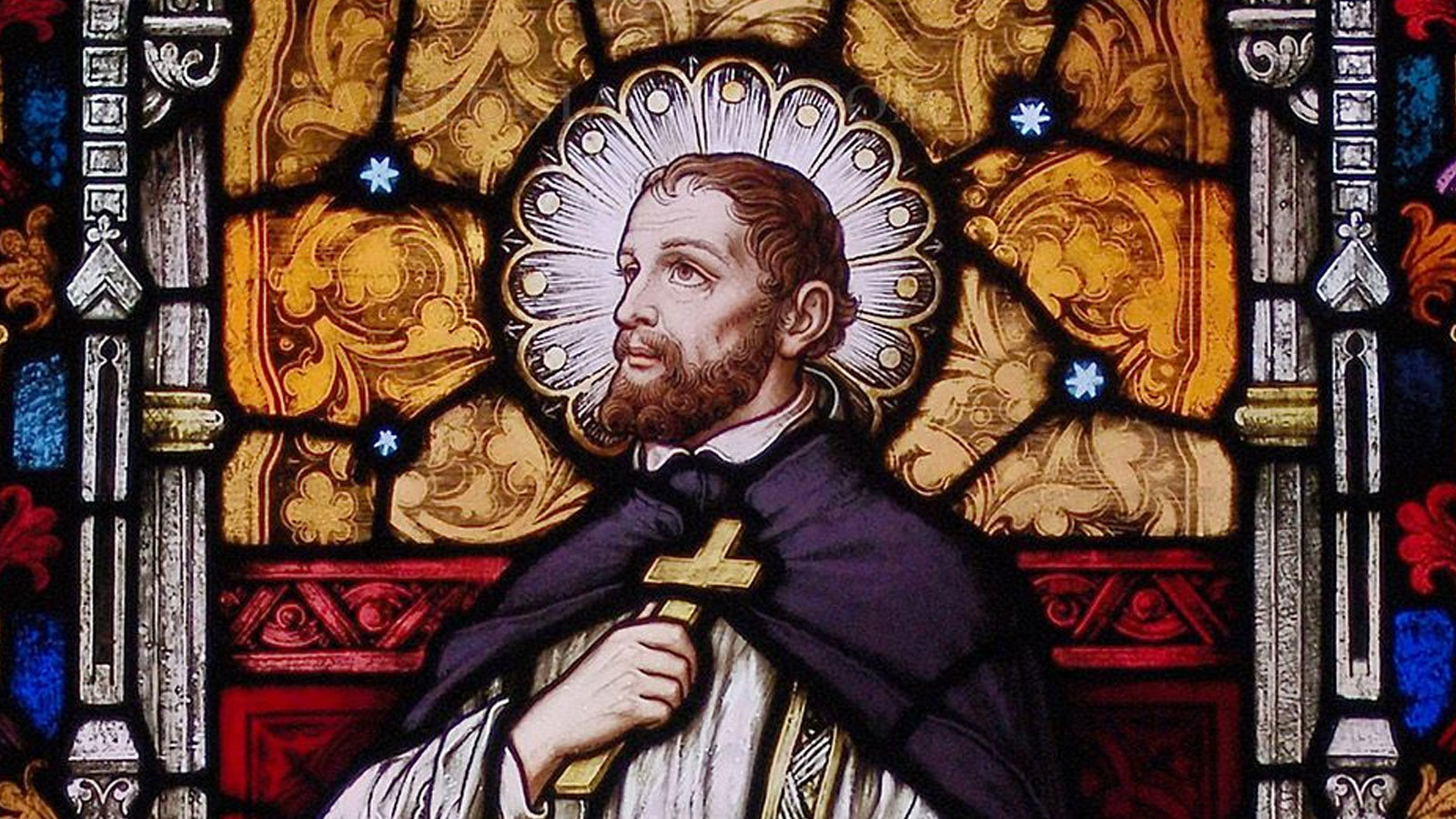
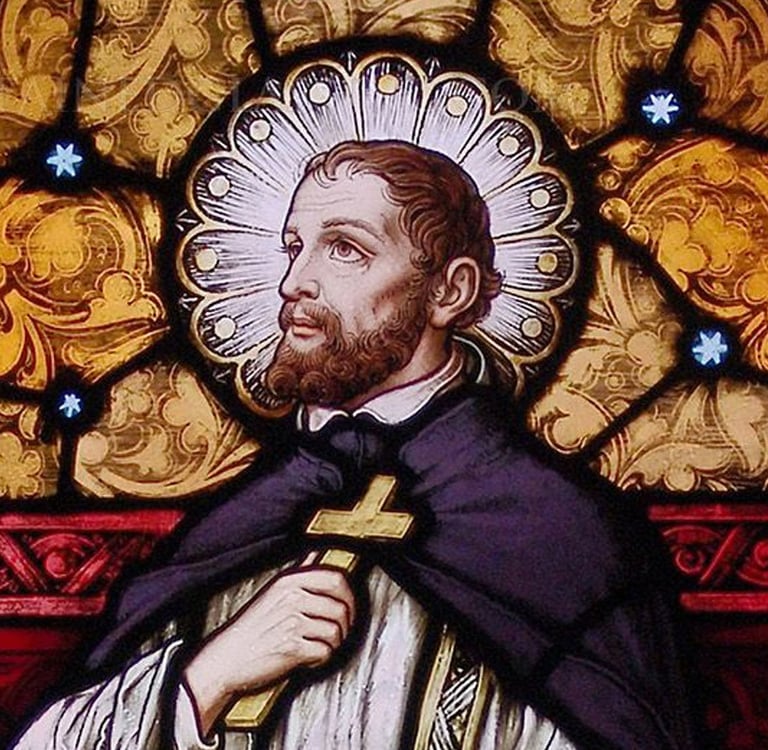
Feast of St Francis Xavier, December 3rd
St Francis Xavier’s work exemplified the idea that charity is not just about giving but about truly understanding and meeting people where they are. His missionary efforts were driven by a deep sense of duty to serve others, and he saw his work as a way to bring people closer to God through both word and deed. His life reminds us that true charity involves sacrifice and a willingness to immerse oneself in the lives of others.
His missionary zeal was also a call to action for others, inspiring countless individuals to follow in his footsteps. He believed that teaching was not just about imparting knowledge but about transforming lives. His work in Asia, particularly in India and Japan, was marked by his ability to adapt to different cultures while remaining true to his mission. He understood that the message of Christ could be communicated in many ways, depending on the context.
St Francis Xavier’s legacy continues to inspire those who seek to serve others with love and compassion. His life is a powerful reminder that missionary work is not just about spreading a message but about living that message in a way that touches hearts and transforms lives. His example challenges us to consider how we can embody the values of charity, love, and service in our own lives. St Francis Xavier stands as one of the Church’s most striking examples of apostolic daring, a man whose life invites us to reflect on what it means to be sent and to serve. Born into privilege in the early sixteenth century, he chose a radically different path: leaving comfort and security to cross oceans and enter cultures that were unfamiliar and often hostile to the Christian message. His story highlights two closely linked themes that remain central to Catholic life today — missionary zeal and incarnational charity — and it offers a clear, practical pattern for how faith can be lived in the world.
His missionary zeal was not mere enthusiasm or restless activity; it was a disciplined urgency rooted in prayer and a profound conviction that the Gospel is a gift to be shared. Francis Xavier combined boldness with humility: he travelled widely, learned new languages, and adapted his methods to reach people where they were, yet his outward movement always flowed from an interior life of prayer. This teaches us that authentic mission arises from union with Christ rather than from human ambition, and that zeal without prayer risks becoming mere busyness while prayer without action can grow inward and sterile.
Equally important is the incarnational charity that shaped his approach. Francis did not simply preach abstract doctrines; he entered the concrete realities of people’s lives, attending to their bodily needs, learning their customs, and showing respect for their dignity. His method reminds us that proclamation must be accompanied by presence: the Gospel is most persuasive when it is lived among people, when words are matched by acts of service, listening and compassion. Incarnational charity resists both cold abstraction and cultural imperialism, insisting that evangelisation honours the whole person and seeks their good in tangible ways.
Placed within the wider teaching of the Catholic faith, these themes are not optional extras but expressions of the Church’s understanding of love and communion. The Christian life is fundamentally a sharing of what we have received; mission is the outward movement of a heart formed by prayer and charity. Practically, this means cultivating a prayer life that fuels action, learning to listen and understand before speaking, and committing to concrete service that addresses both spiritual and material needs. It also means balancing courage with humility: to be bold in proclamation while remaining open to correction and attentive to the conscience and culture of others.
For contemporary Christians, St Francis Xavier’s example offers clear lessons. We are invited to let prayer shape our priorities so that zeal becomes a steady, disciplined commitment rather than a series of dramatic gestures. We are called to practise incarnational charity by learning the languages and customs of those we serve, by meeting practical needs and by accompanying people patiently on their journey of faith. Above all, his life challenges us to combine ardour with tenderness, to be both courageous in witness and gentle in manner, so that the Church’s mission is credible, compassionate and faithful to the dignity of every human person.
In remembering St Francis Xavier we are given a teaching opportunity: his life shows that mission and charity belong together and that both must be rooted in a deep interior union with Christ. His example encourages us not to seek suffering for its own sake but to embrace the ordinary opportunities to give ourselves in service, to speak the truth in love, and to remain humble and prayerful amid the demands of apostolic work. In doing so we allow his witness to form us into a people ready to bring the Gospel to others with courage, respect and enduring love
Ancient Apostolic Catholic Church
Embracing faith, inclusion, and compassionate service together.
ST THOMAS AQUINAS SEMINARY
© 2026. All rights reserved
QUICK LINKS
Prayer Requests
Mass Intentions
Requiem Mass
Contact Us
Pilgrim Chronicles
ORDER OF ST DAVID
ORDER OF THE KNIGHTS OF ST MARY OF BETHLEHEM