Marriage as Vocation and Mission
Brothers and sisters, today we gather to speak plainly about a truth the world too often misunderstands: marriage is not primarily a private arrangement for mutual comfort. It is a vocation — a calling given by God — and a mission sent into the world. From the garden to the altar, God’s design for married love is both sacramental and missionary.
HOMILIES
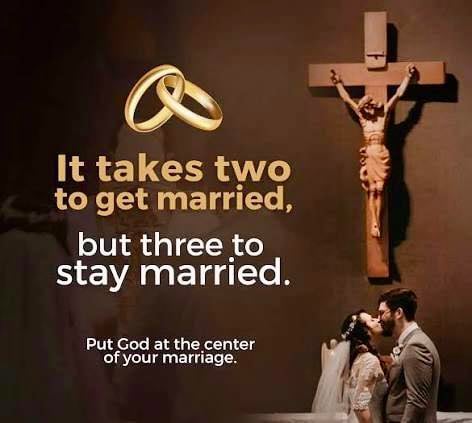
Marriage as Vocation and Mission - a Homily given on Wednesday 5th November
Brothers and sisters, today we gather to speak plainly about a truth the world too often misunderstands: marriage is not primarily a private arrangement for mutual comfort. It is a vocation — a calling given by God — and a mission sent into the world. From the garden to the altar, God’s design for married love is both sacramental and missionary. I want to speak to you as a pastor who honours the beauty and burden of this calling, to encourage, to correct gently, and to lay before you practical ways to live out this most holy of callings.
Marriage is a covenant, not a contract. A contract is contingent; a covenant creates a new reality. When two people speak vows in the presence of God and the community, something new comes into being — a mutual belonging that reaches beyond feelings and conveniences. St Augustine said that love in marriage is sanctified and ordered towards God. Fidelity is therefore more than refraining from betrayal: it is the daily labour of keeping promises, telling the truth with charity, and forming habits of trust.
To the couples here today I say: the small acts matter. A kept promise, a gentle apology, a routine that protects time together — these are not trivial. They are the scaffolding of covenantal life.
The sacrament of marriage is a school of holiness. Saints across the ages — St Teresa of Avila among them — remind us that sanctity often grows in ordinary things: patience at a crowded table, generosity when tired, forgiveness in sorrow. Spouses are each other’s primary companions on the path to holiness. This is not sentimental; it is theological. In giving yourselves to one another you are given opportunities, daily and unavoidable, to bear the cross of growth in virtue.
Practical disciplines help sanctification become concrete. Pray together briefly each morning; name one virtue you will practise this week; keep a short nightly examen where you thank God for one way your spouse reflected Christ to you and confess one failure. These small practices form character over time.
Marriage is a visible sign of an invisible reality. When St John Paul II wrote of the “theology of the body,” he reminded us that human love, embodied and faithful, reveals God’s self-giving. A married couple, in their fidelity and openness to life, points to Christ’s faithful, fruitful love for his Bride, the Church. Rituals matter because they teach and make real this truth: the wedding rite, blessings said at anniversaries, and simple household prayers all incarnate spiritual realities.
So guard the signs. Celebrate anniversaries with thanksgiving; bless your home with prayer; let your marriage be marked by sacramental practice so that the world can read in your everyday life a gospel of self-giving.
A married couple’s vocation does not end at the bedroom door. Marriage sends you outward. The first fruit of married love is family, and families are the primary agents of formation and charity in the world. Hospitality, the education of children in the faith, service to neighbours — these activities extend the family’s sacramental witness into the wider community. St John Chrysostom urged married Christians to embody charity in the home so that their light might shine before others.
Practical expressions of mission might include hosting a neighbour in need, mentoring younger couples, or volunteering together in parish ministries. Choose acts you can sustain; the mission of marriage is faithful service, not spectacular drama.
I speak with full awareness that many marriages carry wounds: infidelity, illness, loss, broken trust. The Church does not minimise these realities. Where there is abuse or danger, protection and professional intervention are required. Where there is brokenness, pastoral accompaniment, penance, and the sacraments are paths of healing. Marriage’s vocation is not a promise of ease; it is a promise that God will use the ordinary realities of life to form saints.
To those in difficult marriages: you are not outside God’s plan. Be courageous in seeking help; let your parish be a place of honest confession and compassionate support.
Concluding charge and prayer
Let us remember: marriage is a vocation that carries both dignity and duty. As your bishop and fellow pilgrim, I call you to fidelity that endures, to mutual sanctification that transforms, and to a shared mission that blesses the world. May your homes become schools of prayer and workshops of charity, where the image of Christ is made visible by love given and received.
May God who called you to this vocation strengthen your covenant, deepen your charity, and send you forth as a sign of his faithful love. Amen.
Archbishop Felix Gibbins OSB Cam
Ancient Apostolic Catholic Church
Embracing faith, inclusion, and compassionate service together.
ST THOMAS AQUINAS SEMINARY
© 2026. All rights reserved
QUICK LINKS
Prayer Requests
Mass Intentions
Requiem Mass
Contact Us
Pilgrim Chronicles
ORDER OF ST DAVID
ORDER OF THE KNIGHTS OF ST MARY OF BETHLEHEM