The Feast of Blessed Edward Coleman, 3rd December
On his feast day we remember more than a date: we recall a human life offered in witness to Christ. Blessed Edward Coleman’s story invites us to ask how our own lives might reflect the same fidelity, humility and love — not by seeking suffering, but by embracing the ordinary opportunities to be truthful, merciful and steadfast.
SAINTS
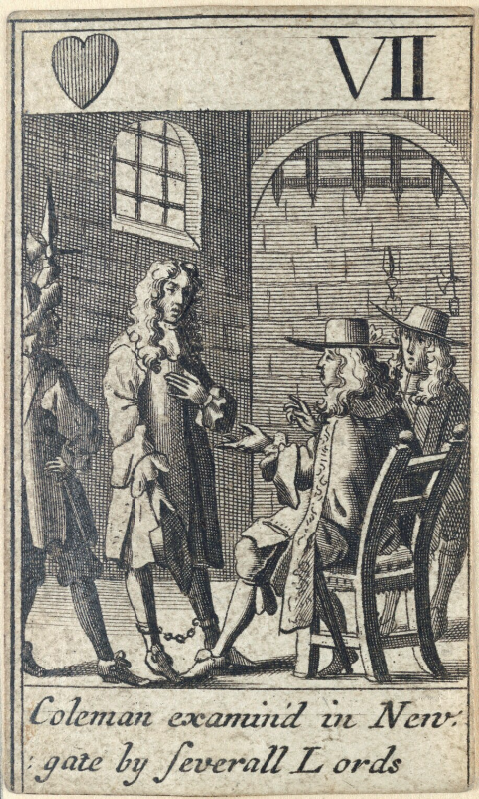
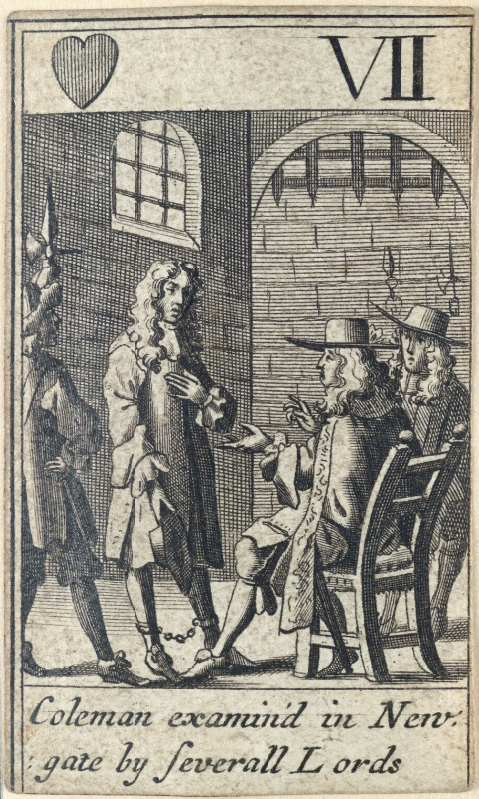
Blessed Edward Coleman was born in 1636 and educated at Trinity College, Cambridge; he later converted to Catholicism and entered royal service, becoming a gentleman pensioner and serving as secretary to Mary of Modena, Duchess of York. His life unfolded against the harsh realities of 17th‑century England, where laws such as the Test Act of 1673 excluded Catholics from public office and made open practice of the faith a source of political vulnerability. These legal and social pressures shaped the context in which Coleman sought to serve both God and neighbour, often through discreet advocacy for the rights of his co‑religionists.
Coleman’s name became entangled in the hysteria of the Popish Plot, the fabricated conspiracy promoted by Titus Oates that accused Catholics of planning to assassinate King Charles II. He was arrested, tried on trumped‑up charges and condemned; on 3 December 1678 he was executed at Tyburn, being hanged, drawn and quartered — a brutal end that the Church honours as martyrdom. The Church later recognised his witness: he was beatified in 1929 by Pope Pius XI, a formal acknowledgement that he died for the faith.
From a Catholic perspective, martyrdom is not merely a historical curiosity but a living school of discipleship. Martyrs like Blessed Edward do not teach by abstract theory but by the concrete grammar of fidelity: they show how to hold fast to truth when lies are easier, to forgive when hatred is offered, and to trust God when human justice fails. Coleman’s calm profession of faith at his execution and his refusal to recant under pressure model a holiness rooted in prayer, conscience and charity rather than in political power or personal safety.
How, practically, can his example guide us today? First, by cultivating interior courage: the willingness to speak and act with integrity in small daily choices, not only in dramatic moments. Second, by practising charitable patience toward those who misunderstand or oppose us, remembering that conversion often comes slowly and through witness rather than argument. Third, by deepening our prayer life so that public witness flows from union with Christ rather than from pride or resentment. These are not lofty ideals but habits that shape communities where faith can flourish even under pressure.
On his feast day we remember more than a date: we recall a life offered in witness to Christ. Blessed Edward Coleman’s story invites us to ask how our own lives might reflect the same fidelity, humility and love: not by seeking suffering, but by embracing the ordinary opportunities to be truthful, merciful and steadfast. In doing so, we keep alive the memory of those who suffered for the faith and allow their witness to form us into a people ready to serve God and neighbour with courage and compassion.
Ancient Apostolic Catholic Church
Embracing faith, inclusion, and compassionate service together.
ST THOMAS AQUINAS SEMINARY
© 2026. All rights reserved
QUICK LINKS
Prayer Requests
Mass Intentions
Requiem Mass
Contact Us
Pilgrim Chronicles
ORDER OF ST DAVID
ORDER OF THE KNIGHTS OF ST MARY OF BETHLEHEM